Technology shocks are at the epicentre of every evolutionary stage of human society and today is no different: there is no putting the AI genie back into the bottle.
Traders are no longer only using AI to effect deeper and wider research. They’re using it to develop and execute strategies, because nothing can do that quicker than the emerging technology.
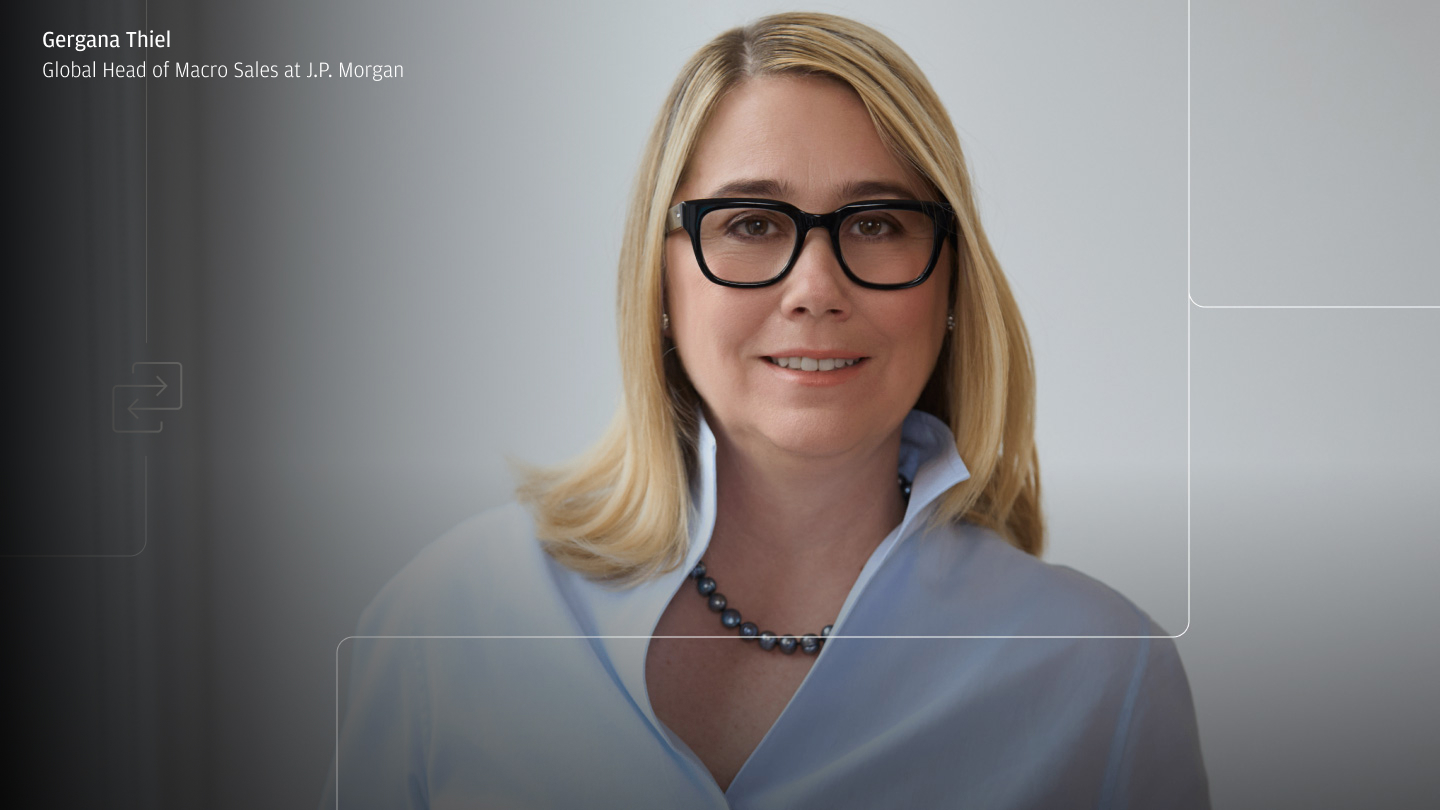
During times of heightened volatility, “traders have adopted a tactical approach of ongoing, systematic selling of volatility to harvest risk premiums,” says Thiel.
Whereas institutional investors are “modifying strategic asset allocations to favor hedge funds—in particular market-neutral funds—removing carry beta exposure that could be damaged by spikes in risk premiums.”
The ways in which asset classes and strategies are viewed are also changing. Gold has become a tactical portfolio diversifier against debasement, while institutional strategies are increasing allocations to inflation-linked fixed income and real assets, such as infrastructure and real estate, as they have flexible repricing power to counter macro volatility. Whether this is a permanent shift or short-term pivot, only time will tell.
The use of quantitative investment strategies (QIS) has increased significantly, to manage entry timing risk and to systematically capture risk premiums without directional exposure.
Both corporate producers and consumers have altered their tactics since COVID to manage the threat of sudden margin calls during volatility spikes.
“Corporate treasuries now frequently model stress-liquidity for commodity futures/options and heavily utilize ‘liquidity swaps’ to pre-position capital,” says Nahmanovici.
He adds that commodity traders have also shifted tactics to manage prolonged uncertainty across curves. Crude clients are explicitly pricing ‘policy risk premiums,’ natural gas players are shifting to vol monetization, and copper producers and consumers are aggressively pricing longer lead-time uncertainty to protect against sudden mine or port disruptions.
At the heart of these strategies lies a greater reliance on technology, and this reliance isn’t going to change any time soon.