5 min read
Across the country, multifamily fundamentals are strengthening as the market absorbs the recent supply surge. Challenges, including inflation, geopolitical tensions and rent legislation continue, but investors with a long-term outlook could benefit.
“Inflation persists, and new supply introduced to the markets over the last several years is being absorbed,” said Kurt Stuart, co-head of Commercial Term Lending at Chase. “It’s the tale of two cities right now. The expectation is that in many markets, fundamentals will continue to firm up, with the caveat that if the environment becomes more recessionary and job losses occur, you may see them soften.”
Stuart offers insights into multifamily trends, challenges and opportunities.
Multifamily fundamentals stay stable
“Broadly, fundamentals are stable. There’s ample capital for multifamily financing available and that follows strong signs of pent-up demand for that financing. At the same time, there’s this element of caution around potential recessions, legislative risks and inflation potential,” Stuart said.
While completions still outnumber absorption, asking rents and vacancies remain steady. The multifamily vacancy rate was 6.8% in Q2 2026, up from 6.6% in Q2 2025, according to Moody’s data. Class B and C properties had notably lower rates at 5.2% in Q2 2025 and 5.4% in Q2 2026.”
“The expectation is that vacancies will firm up, given the lack of new supply that will be introduced over the next 18 months and the material drop in new starts,” Stuart said. That’s in part driven by tariffs, inflation and the Iran conflict—especially their impact on labor, material and transportation costs.
“California markets tend to be tighter from a fundamentals standpoint,” Stuart said. In San Francisco, for example, Q1 average rents are nearing all-time highs and construction activity remains below the market’s five-year average, according to Moody’s data.
Delve into the details of California multifamily markets:
- Los Angeles (updated May 12, 2026)
- Orange County (updated May 18, 2026)
- Sacramento (updated May 19, 2026)
- San Diego (updated May 27, 2026)
- San Francisco (updated May 19, 2026)
Multifamily construction—mostly class A properties—hit record highs in recent years, softening rent growth, increasing national vacancies and overwhelming many markets. While the areas most impacted are in the Sunbelt, they’re not the only ones affected by oversupply.
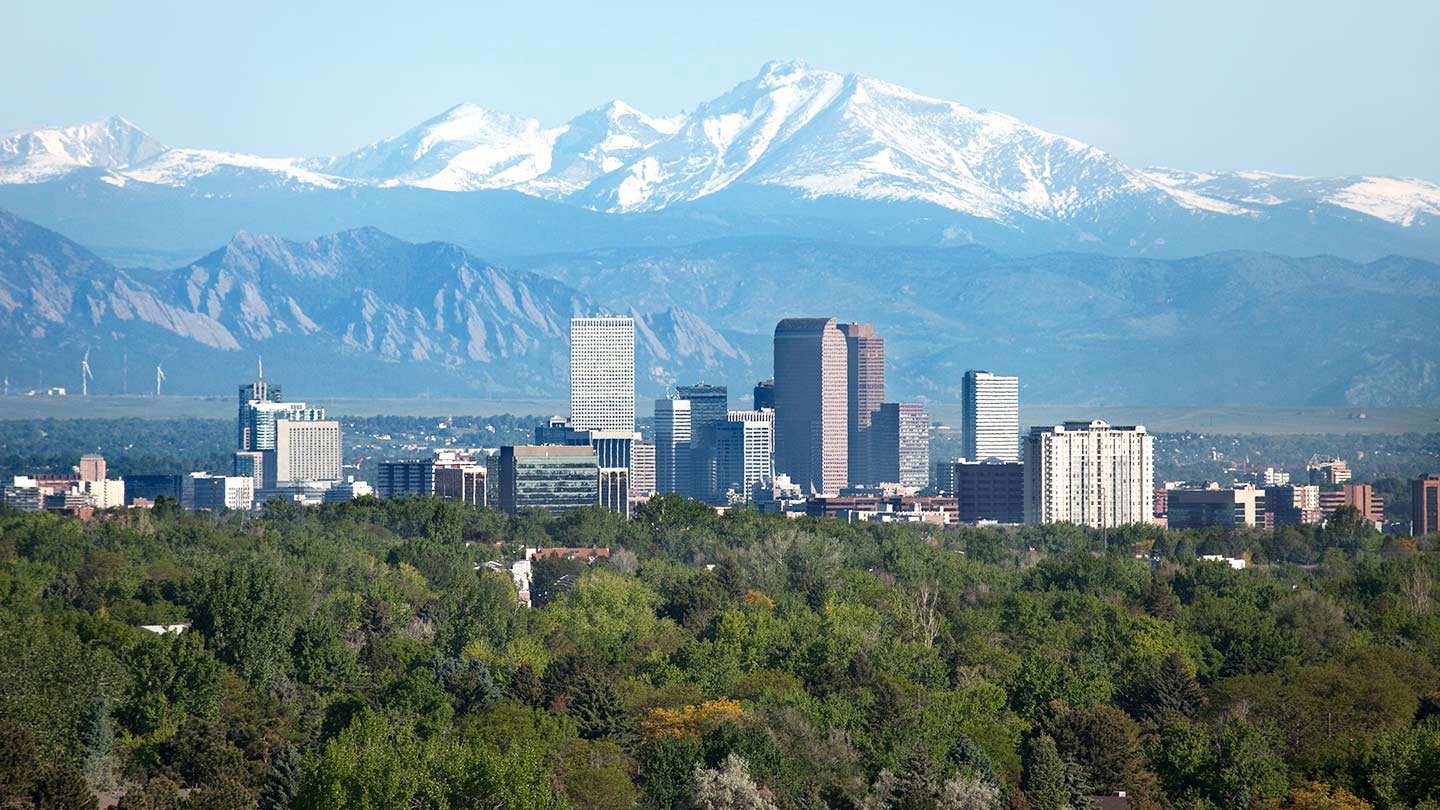
“There are markets that are more challenging, such as Denver, where a material amount of new supply has been introduced,” Stuart said. Likewise, new class A apartments in Washington, D.C., are offering up to four months of renter concessions.
Find out how oversupply is impacting Denver and D.C.:
- Denver (updated July 31, 2026)
- Washington, D.C. (updated June 17, 2026)
“There are geographies where market participants are watching other aspects that affect their business. Seattle is an example where owners and operators are watching local legislative proposals and how they will affect their portfolios,” Stuart said.
The state of Washington recently enacted a rent stabilization and housing stability law that caps annual rent increases, prevents mid-tenancy rent hikes during the first 12 months, strictly regulates fees and deposits, and mandates the state to enforce tenant protection.
Similarly, rent control initiatives have played a central role in recent elections across major markets, including Boston and Seattle.
New York is one market to watch. “You have a lot of financing demand and relatively good fundamentals,” Stuart said, “with the caveat that operators are paying very close attention to local legislation around rent freezes, caps and other changes.”
See how multifamily is faring in major metropolitan areas:
- Chicago (updated March 7, 2025)
- Minneapolis (updated March 10, 2025)
- New York (updated May 15, 2026)
Challenges for multifamily
Multifamily challenges can be summed up in one word: uncertainty. Inflation, interest rates and geopolitical conflicts are constantly in flux.
“Rising interest rates and inflation have cut new construction down considerably,” Stuart said. Increased prices could exacerbate issues investors already face, including:
- Potential labor shortages stemming from immigration policies
- More expensive materials due to higher tariffs
- Higher borrowing costs because of interest rates
- Rising insurance costs fueled by higher replacement costs
Material, labor, insurance and maintenance costs usually increase with inflation, adding to already rising multifamily expenses. Higher materials and construction expenses may also increase existing apartments’ replacement cost value.
Legislative risks also persist in many markets, driven by limited housing supply. “Many municipal budgets are imbalanced. Many of them need more revenue, and property taxes are a primary source of that revenue,” Stuart said. “There’s some trepidation on the minds of our clients as a result.”
Opportunities in multifamily
Multifamily investors with a long-range view of markets are well-positioned for success.
For example, for-sale housing affordability issues continue to fuel long-term renter demand, making multifamily a defensive, inflation-resistant asset class.
“We’re at a place in the cycle where values are the softest they’ve been in several years, and many people view that as an opportunity,” Stuart said. “It’s a great time to acquire for long-term local operators who understand the ebbs and flows of legislative risk, interest rate risk and the inflationary risks.”
Chase is here to help clients as they navigate these complex issues through each stage of the real estate and economic cycle. “We have excellent depth of information and data. At a national and local level, we can help investors understand what trends we’re seeing happen with property taxes and utility, rent and material costs,” Stuart said.
The bottom line: Despite uncertainty around inflation, government policies and geopolitical tensions, multifamily remains a strong long-term bet. However, real estate is a local game, so it’s important that investors consider the dynamics of their local markets.
JPMorgan Chase Bank, N.A. Member FDIC. Visit jpmorgan.com/commercial-banking/legal-disclaimer for disclosures and disclaimers related to this content.